



Multicellular Dynamics

Regulatory mechanisms of gene expression in pollutant-degrading bacteria. Bioremediation
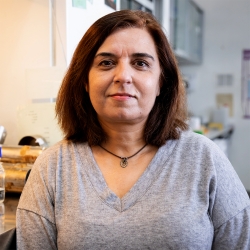
Dra Francisca Reyes-Ramírez

Principal Investigator

Summary


Many bacteria have the ability to degrade a variety of environmental pollutants and use them as growth substrates, making them a powerful tool for removing dangerous pollutants that are causing irreversible damage to the biosphere.

Far from controlled conditions in the laboratory, microbial survival in natural habitats is often threatened by constantly fluctuating environmental conditions. Bacteria have learned to adapt to these stressful situations by adjusting their transcriptional profile and optimising gene expression. We study gene regulation and regulatory mechanisms (regulatory proteins, regulatory RNAs, induced gene function, etc.) that allow environmental pollutant-degrading bacteria to trigger the appropriate physiological and metabolic response to each environmental condition.

We focus on two aspects of gene regulation and also in Bioremediation.

  • The General Stress Response (GSR) of Sphingopyxis granuli TFA. TFA is an Alphaproteobacterium capable of growing with the organic solvent tetralin (1,2,3,4-tetrahydronaphthalene) as its sole carbon and energy source. GSR is a global bacterial protective response against a wide variety of stresses. This response is controlled by two sigma factors of extracytoplasmic function (ECFG1-ECFG2). The regulatory cascade involves in addition to ECFs, the anti-sigma proteins NepR1-NepR2 and the anti-anti-sigma proteins PhyR1-PhyR2.
  • The regulation of anaerobic metabolism in Sphingopyxis granuli TFA. TFA is the only Sphingopyxis described with the ability to grow under anaerobic conditions by respiring nitrate. This new metabolism makes it particularly interesting as it allows it to inhabit new ecological niches. As part of this response, we are working on the identification and characterisation of small regulatory RNAs in anaerobiosis and the regulation of flagellar genes to oxygen availability. 
  • Functional metagenomics for the identification of new enzymes and the development of biocatalysts of environmental interest. The astonishing genetic diversity of the microbial world offers an extraordinary array of functions that have the potential to contribute to the development of industrial applications in many different fields. However, the vast majority of bacteria in natural ecosystems (more than 99%) cannot be cultured in the laboratory. This means that we are losing an enormous amount of information and its potential application using traditional techniques. Functional metagenomics allows access to all the genetic material of microorganisms in an environmental sample by direct extraction, without the need for prior cultivation of the microorganisms. Functional metagenomics involves extraction of DNA from a particular environment, creation of a metagenomic DNA library, expression of the library in the appropriate host and finally identification of an activity of interest in an enzymatic assay or growth on selective media. In this project we use metagenomic libraries to identify new enzymes in the area of by-product revalorisation (use of lignocellulosic waste for biofuel production and other biotechnological processes) and in the degradation of environmental pollutants such as plastics.

      Five relevant publications


      1. de Dios R., Santero E., Reyes-Ramírez F. (2022). The functional differences between paralogous regulators define the control of the general stress response in Sphingopyxis granuli. Environmental Microbiology, doi.org/10.1111/1462-2920.15907

      2. de Dios R., Santero E., Reyes-Ramírez F. (2021). Extracytoplasmic Function σ Factors as Tools for Coordinating Stress Responses. International Journal of Molecular Sciences. Special Issue Bacterial Proteins in Stress Management. 22 (Issue 8), 3900 doi.org/10.3390/ijms22083900

      3. González-Flores, Y.E., de Dios, R., Reyes-Ramírez, F., Santero, E (2020). Identification of two fnr genes and characterisation of their role in the anaerobic switch in Sphingopyxis granuli TFA. Scientific Reports, 10: 21019; doi.org/10.1038/S41598-020-77927-w

      4. de Dios, R., Rivas-Marin, E., Santero, E., Reyes-Ramírez F. (2020). Two paralogous EcfG σ factors hierarchically orchestrate the activation of the General Stress Response in Sphingopyxis granuli TFA. Scientific Reports, 10: 5177; doi.org/10.1038/s41598-020-62101-z

      5. Floriano, B., Santero, E., Reyes-Ramírez F. (2019): Biodegradation of Tetralin: Genomics, Gene Function and Regulation. Genes (10), 5: 339; doi.org/10.3390/genes10050339.

      6. González-Flores, Y. de Dios R., Reyes-Ramírez F. and Santero E. (2019). The response of Sphingopyxis granuli strain TFA to the hostile anoxic  condition. Scientifics Reports 9: 6297; doi.org/10.1038/s41598-019-42768-9.

      7. Garcia-Romero, I., Perez-Pulido, A.J., Gonzalez-Flores, Y.E., Reyes-Ramirez, F., Santero, E. and B. Floriano. (2016). Genomic analysis of the nitrate-respiring Sphingopyxis granuli (formerly Sphingomonas macrogoltabida) strain TFA. BMC Genomics 17:9; doi.10.1186/s12864-016-2411-1

      8. Ledesma-García L., Sánchez-Azqueta A., Medina M., Reyes-Ramírez F., Santero E. (2016). Redox proteins of hydroxylating bacterial dioxygenases establish a regulatory cascade that prevents gratuitous induction of tetralin biodegradation genes. Scientifics Reports 6: 23848; doi: 10.1038/srep23848

      Lab members & Collaborators


      Lab members

      Principal Investigator:

      Dr Francisca Reyes Ramírez, +34 954349053

      Postdoctoral student:

      Inmaculada García Romero

      PhD student:

      Alberto Pires Costa

      Master student

      Irene Párraga Borrell
      Angela Rey Hidalgo

      Collaborators

      Dr. Eva María Camacho Fernández (CABD, Universidad Pablo de Olavide, Sevilla)
      Dr. Fernado Govantes Romero (CABD, Universidad Pablo de Olavide, Sevilla)
      Dr. Antonio Pérez Pulido (CABD, Universidad Pablo de Olavide, Sevilla)
      Dr. Elena  Rivas Marín (CABD, Universidad Pablo de Olavide, Sevilla)
      Dr. Antonio Rosal Raya (Área de Ingeniería Química, Universidad Pablo de Olavide, Sevilla)
      Dr. Hermann Heipieper (Center for Environmental Research, Leipzig, Germany)
      Dra. Milagros Medina (Facultad de Ciencias, Universidad de Zaragoza)
      Dr. Rubén de Dios Barranco (Postdoc Ronan McCarthy, Uxbridge, London, United Kingdom)
      Dr. Jörg Vogel  (Institute for Molecular Infection Biology at the University of Würzburg, Germany)